
 https://www.fairmontseniorliving.com/wp-content/uploads/2026/02/Senior-Woman-Sitting-On-Bench-And-Talking-With-Nurse-In-Retirement-Home.jpg
1250
2000
Abstrakt Marketing
/wp-content/uploads/2025/09/Fairmont-General-Logo-Color_2000px.png
Abstrakt Marketing2026-02-17 15:37:192026-03-20 21:20:07What Is Early Onset Dementia? Signs, Causes, and When to Seek Help
https://www.fairmontseniorliving.com/wp-content/uploads/2026/02/Senior-Woman-Sitting-On-Bench-And-Talking-With-Nurse-In-Retirement-Home.jpg
1250
2000
Abstrakt Marketing
/wp-content/uploads/2025/09/Fairmont-General-Logo-Color_2000px.png
Abstrakt Marketing2026-02-17 15:37:192026-03-20 21:20:07What Is Early Onset Dementia? Signs, Causes, and When to Seek HelpWhy Positive Communication Still Matters
As dementia affects memory, language, and reasoning, communication naturally changes. A loved one may struggle to find words, follow complex conversations, or recall recent events. However, emotional awareness often remains deeply intact.
Even when verbal communication becomes more limited, your loved one can still sense warmth, reassurance, and connection. How something is said—tone, facial expression, and body language—can matter more than the words themselves. Approaching communication with intention helps preserve dignity, reduce anxiety, and strengthen emotional bonds.
Do’s for Communicating With Loved Ones With Dementia
Do Lead With Emotion and Reassurance
When facts become confusing, emotions remain meaningful. Focus on how your loved one is feeling rather than correcting what they say.
If they express worry, fear, or frustration, acknowledge those emotions with reassurance. A calm response can help them feel safe and understood, even if the details of the conversation are unclear.
Simple affirmations like “You’re safe,” “I’m here with you,” or “Everything is okay right now” can provide comfort and stability.
Do Use Simple, Clear Language
Clear, direct language helps reduce confusion. Short sentences and familiar words are easier to process than lengthy explanations or abstract ideas.
Whenever possible, share one thought or instruction at a time. This allows your loved one to focus, respond, and feel successful in the interaction. Clarity supports confidence and reduces frustration for both of you.
Do Speak Slowly and Allow Time to Respond
Processing language may take longer for someone with dementia. Speaking at a calm pace and allowing extra time for responses can make conversations feel less stressful.
Pauses are not a sign of failure. They are often moments of effort and concentration. By waiting patiently and avoiding interruptions, you show respect and encourage engagement.
Do Pay Attention to Nonverbal Communication
Facial expressions, gestures, posture, and tone all play a powerful role in communication. A warm smile, gentle touch, or relaxed body language can convey reassurance even when words fall short.
Maintaining eye contact and positioning yourself at eye level helps your loved one feel acknowledged and included. Nonverbal cues often become the most meaningful form of connection as dementia progresses.
Knowing what not to say is just as important as knowing what to do. Learn the most common communication mistakes families make when speaking with loved ones who have dementia—and how avoiding them can reduce stress and confusion.
Do Validate Feelings, Even When Facts Are Incorrect
If your loved one expresses a belief that isn’t accurate, responding to the emotion behind it is more helpful than correcting the details. Validation helps reduce distress and builds trust.
For example, if they express concern about a situation that no longer applies, acknowledging their feelings and offering reassurance can be far more calming than trying to reorient them to reality.
Validation does not mean agreeing with incorrect information. It means honoring emotional experience.
Do Offer Gentle Choices
Providing simple choices can help your loved one feel involved and respected. Instead of open-ended questions that may feel overwhelming, offer two clear options.
This approach supports independence while reducing pressure. Gentle choices encourage participation and maintain a sense of control, which is especially important as cognitive abilities change.
Do Create a Calm and Supportive Environment
A quiet, familiar environment makes communication easier. Reducing background noise, distractions, and visual clutter can help your loved one focus and feel more at ease.
Soft lighting, comfortable seating, and predictable routines all contribute to a sense of safety. A calm setting supports clearer communication and more positive interactions.
Do Focus on Connection Over Conversation
Not every moment needs words. Sitting together, listening to music, holding hands, or sharing a familiar activity can be deeply meaningful.
Connection does not depend on perfect communication. Presence, warmth, and shared experiences often speak louder than conversation itself. These moments reinforce emotional bonds and bring comfort to both loved ones and caregivers.
Building Confidence Through Compassion
Effective communication with a loved one who has dementia is not about perfection. It’s about adapting with empathy, patience, and understanding. Every interaction is an opportunity to offer reassurance and preserve dignity.
As communication needs evolve, families may find that additional support brings relief and renewed confidence. Memory care environments are designed with these changes in mind, offering structure, consistency, and trained caregivers who understand how to communicate with compassion at every stage.
When Professional Support Enhances Communication
If conversations at home become increasingly difficult or emotionally draining, professional memory care can help ease the burden. Specialized communities provide environments where communication strategies are thoughtfully woven into daily care.
Trained caregivers use person-centered approaches that reduce confusion, encourage engagement, and promote emotional well-being. This support benefits not only residents, but also families who want to maintain meaningful relationships without constant stress.
A Supportive Next Step for Families
At Fairmont Senior Living, we believe communication is at the heart of compassionate memory care. Our communities are built around patience, understanding, and meaningful connection. Team members are specially trained to support residents through every stage of dementia using proven communication techniques that prioritize dignity and emotional comfort.
Through our Montessori-Inspired Lifestyle® approach, each resident is seen as an individual with unique strengths, experiences, and needs. We create environments where residents feel respected, understood, and empowered—every day.
If you’re exploring ways to support a loved one with dementia, Fairmont is here to help. Schedule a private tour today to learn how our memory care communities foster connection, comfort, and confidence for both residents and families.
https://www.fairmontseniorliving.com/wp-content/uploads/2026/02/Senior-Woman-Sitting-On-Bench-And-Talking-With-Nurse-In-Retirement-Home.jpg
1250
2000
Abstrakt Marketing
/wp-content/uploads/2025/09/Fairmont-General-Logo-Color_2000px.png
Abstrakt Marketing2026-02-17 15:37:192026-03-20 21:20:07What Is Early Onset Dementia? Signs, Causes, and When to Seek Help https://www.fairmontseniorliving.com/wp-content/uploads/2026/02/Elderly-person-sitting-at-window-looking-at-snow.jpg
1250
2000
Abstrakt Marketing
/wp-content/uploads/2025/09/Fairmont-General-Logo-Color_2000px.png
Abstrakt Marketing2026-02-02 14:36:152026-03-20 21:20:08Winter Wellness for Seniors: How Assisted Living Communities Keep Seniors Safe
https://www.fairmontseniorliving.com/wp-content/uploads/2026/02/Elderly-person-sitting-at-window-looking-at-snow.jpg
1250
2000
Abstrakt Marketing
/wp-content/uploads/2025/09/Fairmont-General-Logo-Color_2000px.png
Abstrakt Marketing2026-02-02 14:36:152026-03-20 21:20:08Winter Wellness for Seniors: How Assisted Living Communities Keep Seniors Safe https://www.fairmontseniorliving.com/wp-content/uploads/2026/02/Daughter-holding-elderly-mothers-hand.jpg
1250
2000
Abstrakt Marketing
/wp-content/uploads/2025/09/Fairmont-General-Logo-Color_2000px.png
Abstrakt Marketing2026-02-02 14:17:172026-03-20 21:20:08A Guide to Communicating With Loved Ones With Dementia
https://www.fairmontseniorliving.com/wp-content/uploads/2026/02/Daughter-holding-elderly-mothers-hand.jpg
1250
2000
Abstrakt Marketing
/wp-content/uploads/2025/09/Fairmont-General-Logo-Color_2000px.png
Abstrakt Marketing2026-02-02 14:17:172026-03-20 21:20:08A Guide to Communicating With Loved Ones With Dementia 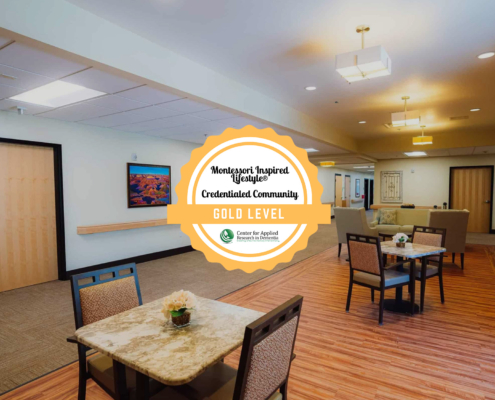 https://www.fairmontseniorliving.com/wp-content/uploads/2026/01/Farmington-Hills-Gold-Credential.jpg
1250
2000
Abstrakt Marketing
/wp-content/uploads/2025/09/Fairmont-General-Logo-Color_2000px.png
Abstrakt Marketing2026-01-16 16:33:152026-03-20 21:20:09Fairmont Senior Living of Farmington Hills Earns Prestigious Gold Credential for Montessori-Inspired Memory Care
https://www.fairmontseniorliving.com/wp-content/uploads/2026/01/Farmington-Hills-Gold-Credential.jpg
1250
2000
Abstrakt Marketing
/wp-content/uploads/2025/09/Fairmont-General-Logo-Color_2000px.png
Abstrakt Marketing2026-01-16 16:33:152026-03-20 21:20:09Fairmont Senior Living of Farmington Hills Earns Prestigious Gold Credential for Montessori-Inspired Memory Care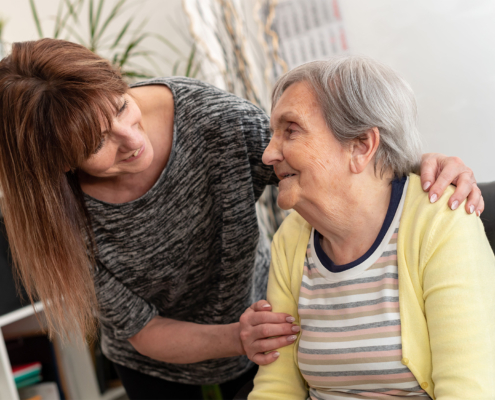 https://www.fairmontseniorliving.com/wp-content/uploads/2025/11/Concept-of-elderly-support.jpg
1250
2000
Abstrakt Marketing
/wp-content/uploads/2025/09/Fairmont-General-Logo-Color_2000px.png
Abstrakt Marketing2025-11-03 19:44:012026-03-20 21:20:10When Is It Time to Transition to Memory Care?
https://www.fairmontseniorliving.com/wp-content/uploads/2025/11/Concept-of-elderly-support.jpg
1250
2000
Abstrakt Marketing
/wp-content/uploads/2025/09/Fairmont-General-Logo-Color_2000px.png
Abstrakt Marketing2025-11-03 19:44:012026-03-20 21:20:10When Is It Time to Transition to Memory Care? https://www.fairmontseniorliving.com/wp-content/uploads/2025/08/What-Is-Long-Distance-Caregiving-for-Seniors-A-Guide.jpg
1250
2000
Abstrakt Marketing
/wp-content/uploads/2025/09/Fairmont-General-Logo-Color_2000px.png
Abstrakt Marketing2025-08-07 12:48:522026-03-20 21:20:13What Is Long Distance Caregiving for Seniors? A Guide
https://www.fairmontseniorliving.com/wp-content/uploads/2025/08/What-Is-Long-Distance-Caregiving-for-Seniors-A-Guide.jpg
1250
2000
Abstrakt Marketing
/wp-content/uploads/2025/09/Fairmont-General-Logo-Color_2000px.png
Abstrakt Marketing2025-08-07 12:48:522026-03-20 21:20:13What Is Long Distance Caregiving for Seniors? A Guide https://www.fairmontseniorliving.com/wp-content/uploads/2025/07/Nurse-or-doctor-give-man-support-during-recovery-or-loss.jpg
1250
2000
Abstrakt Marketing
/wp-content/uploads/2025/09/Fairmont-General-Logo-Color_2000px.png
Abstrakt Marketing2025-07-02 14:07:502026-03-20 21:20:14A Guide to Supporting a Spouse With Memory Loss
https://www.fairmontseniorliving.com/wp-content/uploads/2025/07/Nurse-or-doctor-give-man-support-during-recovery-or-loss.jpg
1250
2000
Abstrakt Marketing
/wp-content/uploads/2025/09/Fairmont-General-Logo-Color_2000px.png
Abstrakt Marketing2025-07-02 14:07:502026-03-20 21:20:14A Guide to Supporting a Spouse With Memory Loss  https://www.fairmontseniorliving.com/wp-content/uploads/2025/06/nurse-doctor-senior-care-caregiver-photo-album.jpg
1250
2000
Abstrakt Marketing
/wp-content/uploads/2025/09/Fairmont-General-Logo-Color_2000px.png
Abstrakt Marketing2025-06-13 14:35:212026-03-20 21:20:14What to Expect in the First 30 Days of Memory Care
https://www.fairmontseniorliving.com/wp-content/uploads/2025/06/nurse-doctor-senior-care-caregiver-photo-album.jpg
1250
2000
Abstrakt Marketing
/wp-content/uploads/2025/09/Fairmont-General-Logo-Color_2000px.png
Abstrakt Marketing2025-06-13 14:35:212026-03-20 21:20:14What to Expect in the First 30 Days of Memory Care https://www.fairmontseniorliving.com/wp-content/uploads/2025/06/A-Memory-Care-Community-Checklist-for-Families.jpg
1250
2000
Abstrakt Marketing
/wp-content/uploads/2025/09/Fairmont-General-Logo-Color_2000px.png
Abstrakt Marketing2025-06-11 18:50:282026-03-20 21:20:15A Memory Care Community Checklist for Families
https://www.fairmontseniorliving.com/wp-content/uploads/2025/06/A-Memory-Care-Community-Checklist-for-Families.jpg
1250
2000
Abstrakt Marketing
/wp-content/uploads/2025/09/Fairmont-General-Logo-Color_2000px.png
Abstrakt Marketing2025-06-11 18:50:282026-03-20 21:20:15A Memory Care Community Checklist for Families
Fairmont Senior Living offers personalized care, engaging programs, and supportive environments designed to enhance independence, well-being, and a sense of community for every resident.