
 https://www.fairmontseniorliving.com/wp-content/uploads/2026/08/AdobeStock_271211175-scaled.jpeg
1707
2560
Abstrakt Marketing
/wp-content/uploads/2025/09/Fairmont-General-Logo-Color_2000px.png
Abstrakt Marketing2026-09-10 09:36:002026-08-27 20:37:22What Are My Parent’s Post-Hospital Care Options?
https://www.fairmontseniorliving.com/wp-content/uploads/2026/08/AdobeStock_271211175-scaled.jpeg
1707
2560
Abstrakt Marketing
/wp-content/uploads/2025/09/Fairmont-General-Logo-Color_2000px.png
Abstrakt Marketing2026-09-10 09:36:002026-08-27 20:37:22What Are My Parent’s Post-Hospital Care Options?Understanding the Weight of Caregiver Burnout
Caregiving for an aging parent or spouse is an act of profound love. But it also carries a hidden cost, one that too often goes unspoken. According to the National Alliance for Caregiving, over 60% of family caregivers report moderate to high emotional stress, with nearly 40% experiencing physical strain. When caregivers take on too much without proper support, they risk burnout, a state of mental, emotional, and physical exhaustion that can harm both the caregiver and the one receiving care.
Caregiver burnout isn’t a sign of failure; it’s a sign that more support is needed. This is where assisted living becomes an essential lifeline. Choosing assisted living doesn’t mean giving up care—it means expanding the circle of support to provide professional, holistic help that protects your well-being too.
What Is Caregiver Burnout?
Caregiver burnout is a state of fatigue, frustration, and depletion that results from prolonged caregiving responsibilities, especially when those duties are performed without regular relief or external support. It can manifest in many ways, including:
- Chronic fatigue
- Trouble sleeping
- Irritability or mood swings
- Depression or anxiety
- Weakened immune response or illness
- Feelings of guilt or helplessness
- Withdrawal from social activities
These symptoms don’t just impact the caregiver—they affect the quality of care being delivered and the health of family relationships. Recognizing these signs early can help caregivers take action before reaching a crisis point.
Assisted Living: A Compassionate Solution for the Whole Family
One of the most powerful ways assisted living reduces caregiver burnout is by removing the burden of being “everything to everyone.” These communities offer personalized care plans, daily living assistance, and access to health professionals, freeing up family members to simply be present as sons, daughters, or spouses again.
A Network of Professional Support
In an assisted living setting, residents benefit from a dedicated team of trained professionals. This includes nurses, care aides, activity coordinators, and wellness staff who are available 24/7. These teams not only ensure physical safety and medication management but also offer emotional and social enrichment. For families, this means fewer emergency calls, fewer sleepless nights, and less worry.
Daily Living Assistance
As caregiving needs increase, so does the complexity of tasks. From helping with bathing and dressing to preparing meals or managing medication, the physical labor of caregiving can be overwhelming. Assisted living provides compassionate assistance with these tasks so caregivers can shift their focus from task management to meaningful time together.
Emotional Relief and Reconnection
The emotional toll of caregiving can erode family relationships over time. When adult children or spouses are consumed by stress, it becomes harder to maintain a nurturing, patient dynamic. Assisted living helps restore balance. When a loved one moves into a supportive community, families often rediscover the joy of simply visiting, sharing stories, or enjoying a meal together, free from the pressure of care tasks.
By outsourcing the physical demands of care, assisted living gives caregivers emotional breathing room. In turn, this fosters healthier relationships and renewed connection.
Are you or your loved one transitioning to assisted living? Get practical senior downsizing tips here to simplify the process.
How Assisted Living Reduces Caregiver Burnout: Key Benefits
The decision to move a loved one into assisted living is often fraught with emotion. But the benefits can be transformative for both the resident and their family. Here’s how assisted living helps reduce caregiver burnout in meaningful, measurable ways:
1. Predictable, Reliable Care
Caregivers often face the unpredictability of last-minute needs or worsening conditions. Assisted living provides structured care routines and built-in monitoring, which offer peace of mind and reduce the stress of constant vigilance.
2. Socialization and Engagement
Social isolation is a risk for both seniors and their caregivers. Assisted living communities offer daily activities, fitness classes, group outings, and social events that promote cognitive wellness and emotional fulfillment. This not only supports your loved one’s happiness, but reassures you that they’re thriving even when you can’t be there every day.
3. Respite from Physical Demands
Lifting, bathing, cooking, cleaning—these responsibilities take a toll, especially on aging family caregivers. Assisted living professionals are trained to manage these tasks safely and effectively. For many families, this physical relief alone makes a world of difference.
4. Ongoing Medical Monitoring
Health changes can happen fast, and without proper medical oversight, family caregivers can feel unequipped. Assisted living communities often include on-site nursing, medication support, and routine wellness checks that detect issues early, reducing the likelihood of medical emergencies and easing the caregiver’s mental load.
A Path Toward Caregiver Burnout Relief
You don’t have to wait for a crisis to ask for help. Exploring assisted living as a proactive step is a sign of strength, not surrender. Many families delay the decision out of guilt or fear of judgment, but choosing a supportive care setting can be the most loving choice of all.
In fact, moving a loved one into assisted living can help families preserve cherished roles. A daughter becomes a daughter again, a spouse can enjoy moments of laughter without managing every detail, and siblings can visit without tension. This is what assisted living offers: not just care for the resident, but healing for the family.
Supporting the Emotional Side of the Transition
Choosing assisted living is an emotional process. Families may struggle with feelings of guilt, fear, or even grief. That’s why many communities, including Fairmont Senior Living, offer transition support not just for the new resident, but for their family members as well. From family meetings and care conferences to regular updates and open communication, caregivers are kept in the loop and supported throughout the journey.
Families are encouraged to stay involved, visit often, and participate in community life. You’re not stepping back from care—you’re stepping into a new phase where love, connection, and quality time take center stage.
When to Consider a Transition
If you’re noticing any of the following signs, it may be time to explore assisted living:
- You’re constantly tired, stressed, or feeling emotionally overwhelmed.
- Your own health is declining as a result of caregiving.
- Your loved one’s needs are becoming more complex.
- You feel guilty, resentful, or isolated.
- You’re concerned about safety or medical issues.
These are not signs of failure—they’re signs that your family deserves more support.
How Fairmont Senior Living Helps Families Breathe Easier
At Fairmont Senior Living, we understand the toll caregiving can take. That’s why our assisted living communities are designed not only to support residents, but to provide comfort, peace of mind, and renewed hope for their families.
Our personalized care plans, warm and welcoming environments, and Montessori-inspired activities promote independence, dignity, and engagement. Families are always welcome to visit, participate in events, and stay connected in ways that nourish both relationships and personal well-being.
Give Yourself and Your Loved One the Care You Both Deserve
Caregiving is one of the most meaningful roles you’ll ever take on, but it shouldn’t be one you navigate alone. Assisted living communities reduce caregiver burnout by sharing the weight, providing professional support, and restoring balance to your family dynamic.
If you’re ready to explore how assisted living can help your family breathe easier, we’re here to talk. Schedule a tour at Fairmont Senior Living and see firsthand how compassionate, purpose-driven care can make all the difference.
https://www.fairmontseniorliving.com/wp-content/uploads/2026/08/AdobeStock_271211175-scaled.jpeg
1707
2560
Abstrakt Marketing
/wp-content/uploads/2025/09/Fairmont-General-Logo-Color_2000px.png
Abstrakt Marketing2026-09-10 09:36:002026-08-27 20:37:22What Are My Parent’s Post-Hospital Care Options? https://www.fairmontseniorliving.com/wp-content/uploads/2026/08/Sandwich-generation-with-kids-at-home-and-taking-care-of-aging-parents.jpg
1250
2000
Abstrakt Marketing
/wp-content/uploads/2025/09/Fairmont-General-Logo-Color_2000px.png
Abstrakt Marketing2026-09-08 20:13:002026-08-27 20:14:50The Sandwich Generation: How to Support an Aging Parent Without Losing Yourself
https://www.fairmontseniorliving.com/wp-content/uploads/2026/08/Sandwich-generation-with-kids-at-home-and-taking-care-of-aging-parents.jpg
1250
2000
Abstrakt Marketing
/wp-content/uploads/2025/09/Fairmont-General-Logo-Color_2000px.png
Abstrakt Marketing2026-09-08 20:13:002026-08-27 20:14:50The Sandwich Generation: How to Support an Aging Parent Without Losing Yourself https://www.fairmontseniorliving.com/wp-content/uploads/2026/08/imgi_93_Fairmont-Northville-Website-Photo-3.jpg
1250
2000
Abstrakt Marketing
/wp-content/uploads/2025/09/Fairmont-General-Logo-Color_2000px.png
Abstrakt Marketing2026-09-04 21:37:002026-08-27 20:13:03Moments: A Day in the Life at Fairmont Senior Living of Northville
https://www.fairmontseniorliving.com/wp-content/uploads/2026/08/imgi_93_Fairmont-Northville-Website-Photo-3.jpg
1250
2000
Abstrakt Marketing
/wp-content/uploads/2025/09/Fairmont-General-Logo-Color_2000px.png
Abstrakt Marketing2026-09-04 21:37:002026-08-27 20:13:03Moments: A Day in the Life at Fairmont Senior Living of Northville https://www.fairmontseniorliving.com/wp-content/uploads/2026/08/Clayton-Team-Photo.jpg
1250
2000
Abstrakt Marketing
/wp-content/uploads/2025/09/Fairmont-General-Logo-Color_2000px.png
Abstrakt Marketing2026-08-27 19:09:122026-08-27 19:09:18Moments: A Day in the Life at Fairmont Senior Living on Clayton
https://www.fairmontseniorliving.com/wp-content/uploads/2026/08/Clayton-Team-Photo.jpg
1250
2000
Abstrakt Marketing
/wp-content/uploads/2025/09/Fairmont-General-Logo-Color_2000px.png
Abstrakt Marketing2026-08-27 19:09:122026-08-27 19:09:18Moments: A Day in the Life at Fairmont Senior Living on Clayton https://www.fairmontseniorliving.com/wp-content/uploads/2026/07/How-to-Talk-with-a-Loved-One-in-Assisted-Living-or-Memory-Care.jpg
1250
2000
Abstrakt Marketing
/wp-content/uploads/2025/09/Fairmont-General-Logo-Color_2000px.png
Abstrakt Marketing2026-07-23 19:24:352026-09-15 19:05:19Staying Connected: How to Talk with a Loved One in Assisted Living or Memory Care
https://www.fairmontseniorliving.com/wp-content/uploads/2026/07/How-to-Talk-with-a-Loved-One-in-Assisted-Living-or-Memory-Care.jpg
1250
2000
Abstrakt Marketing
/wp-content/uploads/2025/09/Fairmont-General-Logo-Color_2000px.png
Abstrakt Marketing2026-07-23 19:24:352026-09-15 19:05:19Staying Connected: How to Talk with a Loved One in Assisted Living or Memory Care https://www.fairmontseniorliving.com/wp-content/uploads/2026/06/Support-caregiver-and-senior-man-with-wheelchair-in-home.jpg
1250
2000
Abstrakt Marketing
/wp-content/uploads/2025/09/Fairmont-General-Logo-Color_2000px.png
Abstrakt Marketing2026-06-23 14:03:192026-06-23 14:03:22How Assisted Living Supports Senior Mental Health
https://www.fairmontseniorliving.com/wp-content/uploads/2026/06/Support-caregiver-and-senior-man-with-wheelchair-in-home.jpg
1250
2000
Abstrakt Marketing
/wp-content/uploads/2025/09/Fairmont-General-Logo-Color_2000px.png
Abstrakt Marketing2026-06-23 14:03:192026-06-23 14:03:22How Assisted Living Supports Senior Mental Health https://www.fairmontseniorliving.com/wp-content/uploads/2026/06/Medical-tablet-or-talking-with-nurse-and-old-woman-in-home-living-room.jpg
1250
2000
Abstrakt Marketing
/wp-content/uploads/2025/09/Fairmont-General-Logo-Color_2000px.png
Abstrakt Marketing2026-06-11 15:26:002026-06-11 15:26:03How Montessori Senior Living Supports Independence
https://www.fairmontseniorliving.com/wp-content/uploads/2026/06/Medical-tablet-or-talking-with-nurse-and-old-woman-in-home-living-room.jpg
1250
2000
Abstrakt Marketing
/wp-content/uploads/2025/09/Fairmont-General-Logo-Color_2000px.png
Abstrakt Marketing2026-06-11 15:26:002026-06-11 15:26:03How Montessori Senior Living Supports Independence https://www.fairmontseniorliving.com/wp-content/uploads/2026/04/Man-being-cared-for-by-a-private-nurse-at-home.jpg
1250
2000
Abstrakt Marketing
/wp-content/uploads/2025/09/Fairmont-General-Logo-Color_2000px.png
Abstrakt Marketing2026-04-27 15:31:262026-05-10 21:19:17Explaining Home Care vs Assisted Living Costs
https://www.fairmontseniorliving.com/wp-content/uploads/2026/04/Man-being-cared-for-by-a-private-nurse-at-home.jpg
1250
2000
Abstrakt Marketing
/wp-content/uploads/2025/09/Fairmont-General-Logo-Color_2000px.png
Abstrakt Marketing2026-04-27 15:31:262026-05-10 21:19:17Explaining Home Care vs Assisted Living Costs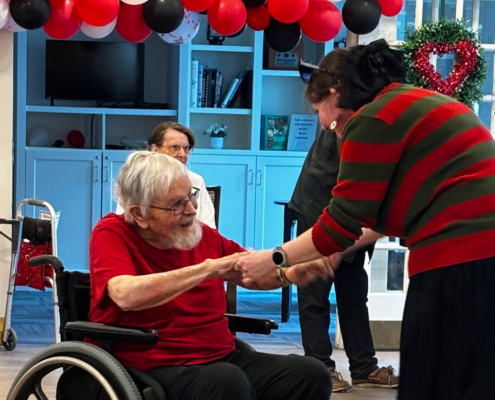 https://www.fairmontseniorliving.com/wp-content/uploads/2026/04/Caretaker-dancing-with-loved-one-in-wheelchair-for-Valentines-day.jpg
1250
2000
Abstrakt Marketing
/wp-content/uploads/2025/09/Fairmont-General-Logo-Color_2000px.png
Abstrakt Marketing2026-04-02 14:00:012026-05-10 21:19:18Valentine’s Day Retrospective: How Fairmont Senior Living Celebrated Love This February
https://www.fairmontseniorliving.com/wp-content/uploads/2026/04/Caretaker-dancing-with-loved-one-in-wheelchair-for-Valentines-day.jpg
1250
2000
Abstrakt Marketing
/wp-content/uploads/2025/09/Fairmont-General-Logo-Color_2000px.png
Abstrakt Marketing2026-04-02 14:00:012026-05-10 21:19:18Valentine’s Day Retrospective: How Fairmont Senior Living Celebrated Love This February
Fairmont Senior Living offers personalized care, engaging programs, and supportive environments designed to enhance independence, well-being, and a sense of community for every resident.