
 https://www.fairmontseniorliving.com/wp-content/uploads/2026/04/Montessori-Memory-Care-vs-Traditional-Memory-Care.jpg
1250
2000
Abstrakt Marketing
/wp-content/uploads/2025/09/Fairmont-General-Logo-Color_2000px.png
Abstrakt Marketing2026-04-01 23:59:332026-04-01 23:59:35Montessori Memory Care vs Traditional Memory Care: What’s the Difference?
https://www.fairmontseniorliving.com/wp-content/uploads/2026/04/Montessori-Memory-Care-vs-Traditional-Memory-Care.jpg
1250
2000
Abstrakt Marketing
/wp-content/uploads/2025/09/Fairmont-General-Logo-Color_2000px.png
Abstrakt Marketing2026-04-01 23:59:332026-04-01 23:59:35Montessori Memory Care vs Traditional Memory Care: What’s the Difference?At Fairmont Senior Living, memory care nutrition planning isn’t a back-of-house function. It’s a core part of how we care for each person who calls our community home.
Why Nutrition Matters More in Memory Care
Dementia doesn’t just affect memory. It affects appetite, food recognition, swallowing, sensory perception, and the ability to communicate hunger or discomfort. The nutritional needs of someone living with Alzheimer’s disease or another form of dementia are genuinely different from those of other older adults, and adequate nutrition for dementia patients requires a specialized, attentive approach.
The Connection Between Nutrition and Cognitive Health
Research consistently shows that nutritional status affects the trajectory of cognitive decline. Deficiencies in key nutrients, including B vitamins, vitamin D, omega-3 fatty acids, and antioxidants, are associated with accelerated cognitive decline in people with dementia. Adequate hydration supports brain function and can reduce confusion, agitation, and urinary tract infections, which are among the most common and preventable causes of behavioral changes in memory care residents.
Maintaining a healthy weight also matters significantly. Both unintended weight loss and weight gain carry health risks for people with dementia, and either can develop quickly if nutrition isn’t actively monitored.
Why Standard Approaches Aren’t Enough
A cafeteria-style meal program designed for general senior living residents isn’t calibrated for the specific and evolving nutritional needs of someone with dementia. Memory care nutrition planning requires individualized assessment, ongoing monitoring, and the flexibility to adapt as a resident’s condition and preferences change over time. That’s what we’ve built at Fairmont.
Memory Care Mealtime Challenges
Understanding the challenges is what makes it possible to address them well. Here’s what our team is trained to recognize and respond to.
Appetite Changes and Food Recognition
As dementia progresses, many residents experience significant changes in appetite. Some lose interest in food altogether. Others may not recognize what’s in front of them as food. Our team is trained to identify these changes early and respond with adjustments in presentation, portioning, and approach before significant weight loss occurs.
Swallowing Difficulties
Dysphagia, or difficulty swallowing, is common in moderate to advanced dementia and carries serious risks including aspiration pneumonia. At Fairmont, our care team works with appropriate specialists to identify residents who need texture-modified diets or thickened liquids and ensures those needs are documented, communicated to all staff, and consistently honored at every meal and snack.
Mealtime Agitation and Behavioral Challenges
For some residents, mealtimes are a source of agitation, distraction, or refusal. This isn’t willfulness. It’s a symptom. Our team is trained to recognize the behavioral patterns that interfere with eating and to adapt the mealtime environment, pacing, and approach accordingly. Sometimes that means a quieter setting. Sometimes it means a different time of day. Sometimes it means a familiar face sitting alongside a resident to provide reassurance and gentle encouragement.
Dehydration
Dehydration is one of the most common and most preventable health risks in memory care. Many residents with dementia don’t recognize thirst or can’t communicate it. At Fairmont, hydration isn’t left to mealtimes alone. Our team offers fluids consistently throughout the day in forms residents enjoy, tracks intake, and monitors for early signs of dehydration as part of routine care.
How Fairmont Creates Individualized Nutrition Plans
No two residents come to us with the same history, preferences, health conditions, or nutritional needs. That’s why our approach to memory care nutrition planning begins with the individual.
The Intake Assessment
When a new resident joins our community, our care team conducts a comprehensive nutritional assessment that covers current health status and diagnoses, medications that may affect appetite or nutrient absorption, weight history and current weight goals, swallowing and chewing ability, food allergies and intolerances, and any cultural, religious, or personal dietary preferences.
This assessment becomes the foundation of an individualized nutrition plan that guides every meal, snack, and hydration interaction for that resident.
Incorporating Food History and Personal Preferences
Food is deeply personal. A meal that a resident has eaten and loved for decades can be a source of comfort and connection in a way that a nutritionally equivalent but unfamiliar dish simply isn’t. We ask families to share their loved one’s food history: favorite meals, comfort foods, foods they’ve always disliked, and any meaningful food traditions or memories. That information shapes what we serve and how we present it.
For residents who can no longer communicate preferences directly, family input becomes even more important, and we actively seek and welcome it throughout their time with us.
Learn the common signs and how to help someone with memory loss.
Monitoring, Adjusting, and Keeping Families Informed
Nutrition planning isn’t a document that gets filed and forgotten. It’s a living part of each resident’s care that our team monitors and adjusts continuously.
Ongoing Weight and Intake Monitoring
Our team tracks each resident’s weight and food intake on a regular schedule, with more frequent monitoring for residents who are at higher risk for weight changes. When we notice a shift, we respond quickly, adjusting meal composition, texture, timing, or environment before a small change becomes a significant health concern.
Coordinating With Health Providers
When nutritional challenges require clinical intervention, whether that’s a referral to a speech therapist for swallowing assessment, a consultation with a dietitian, or a conversation with the resident’s physician about appetite-affecting medications, we facilitate that coordination as part of our care team’s ongoing work.
Keeping Families in the Loop
Families are partners in their loved one’s nutrition care, not bystanders. We keep families informed about how their loved one is eating, flag concerns early, and welcome their input and observations at every stage. If you’ve noticed that your loved one lights up for a particular food, or that a certain meal always felt like home to them, we want to know. That kind of knowledge shapes how we care for them every day.
Nourishment Is Part of How We Show We Care
At Fairmont Senior Living, we believe that caring for a person with dementia means caring for the whole person, and that includes how they’re nourished, how they experience mealtimes, and whether the food in front of them connects them to something familiar and good.
Our memory care nutrition planning isn’t a program. It’s a reflection of our commitment to treating every resident with the attention, dignity, and individuality they deserve. If you’re evaluating memory care communities and you want to understand what attentive, personalized care actually looks like, we’d love to show you.
If you’re also navigating the transition itself, our guide on moving to memory care can help you prepare for what’s ahead.
https://www.fairmontseniorliving.com/wp-content/uploads/2026/04/Montessori-Memory-Care-vs-Traditional-Memory-Care.jpg
1250
2000
Abstrakt Marketing
/wp-content/uploads/2025/09/Fairmont-General-Logo-Color_2000px.png
Abstrakt Marketing2026-04-01 23:59:332026-04-01 23:59:35Montessori Memory Care vs Traditional Memory Care: What’s the Difference? https://www.fairmontseniorliving.com/wp-content/uploads/2026/04/Moving-to-Memory-Care-Tips.jpg
1250
2000
Abstrakt Marketing
/wp-content/uploads/2025/09/Fairmont-General-Logo-Color_2000px.png
Abstrakt Marketing2026-04-01 23:52:202026-04-01 23:52:25Moving to Memory Care Tips: How to Make the Move a Smooth and Positive Experience
https://www.fairmontseniorliving.com/wp-content/uploads/2026/04/Moving-to-Memory-Care-Tips.jpg
1250
2000
Abstrakt Marketing
/wp-content/uploads/2025/09/Fairmont-General-Logo-Color_2000px.png
Abstrakt Marketing2026-04-01 23:52:202026-04-01 23:52:25Moving to Memory Care Tips: How to Make the Move a Smooth and Positive Experience https://www.fairmontseniorliving.com/wp-content/uploads/2026/02/Senior-Woman-Sitting-On-Bench-And-Talking-With-Nurse-In-Retirement-Home.jpg
1250
2000
Abstrakt Marketing
/wp-content/uploads/2025/09/Fairmont-General-Logo-Color_2000px.png
Abstrakt Marketing2026-02-17 15:37:192026-04-01 21:19:34What Is Early Onset Dementia? Signs, Causes, and When to Seek Help
https://www.fairmontseniorliving.com/wp-content/uploads/2026/02/Senior-Woman-Sitting-On-Bench-And-Talking-With-Nurse-In-Retirement-Home.jpg
1250
2000
Abstrakt Marketing
/wp-content/uploads/2025/09/Fairmont-General-Logo-Color_2000px.png
Abstrakt Marketing2026-02-17 15:37:192026-04-01 21:19:34What Is Early Onset Dementia? Signs, Causes, and When to Seek Help https://www.fairmontseniorliving.com/wp-content/uploads/2026/02/Person-talking-with-their-elderly-parent.jpg
1250
2000
Abstrakt Marketing
/wp-content/uploads/2025/09/Fairmont-General-Logo-Color_2000px.png
Abstrakt Marketing2026-02-03 18:07:122026-04-01 21:19:34How To Talk to a Loved One About Dementia
https://www.fairmontseniorliving.com/wp-content/uploads/2026/02/Person-talking-with-their-elderly-parent.jpg
1250
2000
Abstrakt Marketing
/wp-content/uploads/2025/09/Fairmont-General-Logo-Color_2000px.png
Abstrakt Marketing2026-02-03 18:07:122026-04-01 21:19:34How To Talk to a Loved One About Dementia https://www.fairmontseniorliving.com/wp-content/uploads/2026/02/Elderly-person-sitting-at-window-looking-at-snow.jpg
1250
2000
Abstrakt Marketing
/wp-content/uploads/2025/09/Fairmont-General-Logo-Color_2000px.png
Abstrakt Marketing2026-02-02 14:36:152026-04-01 21:19:34Winter Wellness for Seniors: How Assisted Living Communities Keep Seniors Safe
https://www.fairmontseniorliving.com/wp-content/uploads/2026/02/Elderly-person-sitting-at-window-looking-at-snow.jpg
1250
2000
Abstrakt Marketing
/wp-content/uploads/2025/09/Fairmont-General-Logo-Color_2000px.png
Abstrakt Marketing2026-02-02 14:36:152026-04-01 21:19:34Winter Wellness for Seniors: How Assisted Living Communities Keep Seniors Safe https://www.fairmontseniorliving.com/wp-content/uploads/2026/02/Daughter-holding-elderly-mothers-hand.jpg
1250
2000
Abstrakt Marketing
/wp-content/uploads/2025/09/Fairmont-General-Logo-Color_2000px.png
Abstrakt Marketing2026-02-02 14:17:172026-04-01 21:19:34A Guide to Communicating With Loved Ones With Dementia
https://www.fairmontseniorliving.com/wp-content/uploads/2026/02/Daughter-holding-elderly-mothers-hand.jpg
1250
2000
Abstrakt Marketing
/wp-content/uploads/2025/09/Fairmont-General-Logo-Color_2000px.png
Abstrakt Marketing2026-02-02 14:17:172026-04-01 21:19:34A Guide to Communicating With Loved Ones With Dementia 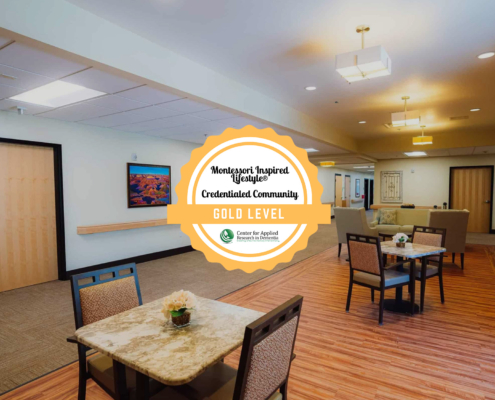 https://www.fairmontseniorliving.com/wp-content/uploads/2026/01/Farmington-Hills-Gold-Credential.jpg
1250
2000
Abstrakt Marketing
/wp-content/uploads/2025/09/Fairmont-General-Logo-Color_2000px.png
Abstrakt Marketing2026-01-16 16:33:152026-04-01 21:19:35Fairmont Senior Living of Farmington Hills Earns Prestigious Gold Credential for Montessori-Inspired Memory Care
https://www.fairmontseniorliving.com/wp-content/uploads/2026/01/Farmington-Hills-Gold-Credential.jpg
1250
2000
Abstrakt Marketing
/wp-content/uploads/2025/09/Fairmont-General-Logo-Color_2000px.png
Abstrakt Marketing2026-01-16 16:33:152026-04-01 21:19:35Fairmont Senior Living of Farmington Hills Earns Prestigious Gold Credential for Montessori-Inspired Memory Care https://www.fairmontseniorliving.com/wp-content/uploads/2025/11/Concept-of-elderly-support.jpg
1250
2000
Abstrakt Marketing
/wp-content/uploads/2025/09/Fairmont-General-Logo-Color_2000px.png
Abstrakt Marketing2025-11-03 19:44:012026-04-01 21:19:35When Is It Time to Transition to Memory Care?
https://www.fairmontseniorliving.com/wp-content/uploads/2025/11/Concept-of-elderly-support.jpg
1250
2000
Abstrakt Marketing
/wp-content/uploads/2025/09/Fairmont-General-Logo-Color_2000px.png
Abstrakt Marketing2025-11-03 19:44:012026-04-01 21:19:35When Is It Time to Transition to Memory Care? https://www.fairmontseniorliving.com/wp-content/uploads/2025/08/What-Is-Long-Distance-Caregiving-for-Seniors-A-Guide.jpg
1250
2000
Abstrakt Marketing
/wp-content/uploads/2025/09/Fairmont-General-Logo-Color_2000px.png
Abstrakt Marketing2025-08-07 12:48:522026-04-01 21:19:36What Is Long Distance Caregiving for Seniors? A Guide
https://www.fairmontseniorliving.com/wp-content/uploads/2025/08/What-Is-Long-Distance-Caregiving-for-Seniors-A-Guide.jpg
1250
2000
Abstrakt Marketing
/wp-content/uploads/2025/09/Fairmont-General-Logo-Color_2000px.png
Abstrakt Marketing2025-08-07 12:48:522026-04-01 21:19:36What Is Long Distance Caregiving for Seniors? A Guide
Fairmont Senior Living offers personalized care, engaging programs, and supportive environments designed to enhance independence, well-being, and a sense of community for every resident.