
 https://www.fairmontseniorliving.com/wp-content/uploads/2026/04/How-Fairmont-Utilizes-Nutrition-Planning-to-Help-Memory-Care-Residents.jpg
1250
2000
Abstrakt Marketing
/wp-content/uploads/2025/09/Fairmont-General-Logo-Color_2000px.png
Abstrakt Marketing2026-04-02 00:09:162026-04-03 21:20:45How Fairmont Utilizes Nutrition Planning to Help Memory Care Residents
https://www.fairmontseniorliving.com/wp-content/uploads/2026/04/How-Fairmont-Utilizes-Nutrition-Planning-to-Help-Memory-Care-Residents.jpg
1250
2000
Abstrakt Marketing
/wp-content/uploads/2025/09/Fairmont-General-Logo-Color_2000px.png
Abstrakt Marketing2026-04-02 00:09:162026-04-03 21:20:45How Fairmont Utilizes Nutrition Planning to Help Memory Care ResidentsUnderstanding Early Onset Dementia
When most people think of dementia, they imagine a condition that affects older adults in their 70s or 80s. But dementia doesn’t always wait for retirement. Early onset dementia (EOD), also called younger-onset dementia, refers to dementia diagnosed in individuals under the age of 65, sometimes as early as their 30s or 40s. Though less common, it can be especially disruptive and emotional, as it often strikes during a person’s prime working or parenting years.
Families may first notice small shifts: a loved one forgetting common words, missing work deadlines, or experiencing sudden mood changes. These symptoms can feel confusing, particularly when dementia isn’t yet on the radar. This blog explores what early onset dementia is, how to recognize the signs, what causes it, and when to seek professional support.
How Early Onset Dementia Differs From Late-Onset Dementia
While the underlying conditions are similar, early onset dementia differs from traditional dementia in several key ways:
- Age of onset: Symptoms appear before age 65, with some diagnoses occurring as early as 30.
- Work and family impact: Individuals are often still employed or raising children, leading to more complex lifestyle disruptions.
- Misdiagnosis risks: Many early cases are initially dismissed as stress, burnout, or depression, delaying proper diagnosis.
- Social isolation: A younger person with dementia may struggle to find peers who relate, which can impact emotional health.
Because the disease interrupts life at a time most people are managing careers, mortgages, and family responsibilities, the emotional toll on both the person and their loved ones can be immense.
Who Is Affected by Early Onset Dementia?
Although early onset dementia is rare, affecting roughly 5–10% of all dementia cases, it’s no less devastating. Risk can span demographics, but certain groups may have increased vulnerability:
- Individuals with a family history of Alzheimer’s or other types of dementia
- People with certain genetic mutations, such as those tied to early-onset familial Alzheimer’s disease
- Those with a history of traumatic brain injury, Down syndrome, or vascular issues
- Individuals facing chronic stress, poor cardiovascular health, or unmanaged health conditions
Early onset dementia does not discriminate based on life stage. It can impact professionals, caregivers, newly retired adults, or people still raising young children.
Learn the don’ts of communicating with loved ones with dementia and how compassionate, respectful communication can reduce stress and build trust.
Signs of Early Onset Dementia
Recognizing the signs of early onset dementia can be difficult, especially when symptoms mimic other conditions like anxiety or depression. Here are common early warning signals:
Cognitive Changes
- Frequently forgetting names, appointments, or conversations
- Struggling with planning, decision-making, or multitasking
- Difficulty performing familiar tasks (e.g., managing finances)
Behavioral and Emotional Shifts
- Increased irritability, anxiety, or depression
- Loss of initiative or motivation
- Withdrawal from social activities or hobbies
Physical or Functional Changes
- Changes in coordination or motor skills
- Difficulty with speech or understanding language
- Neglecting personal hygiene or daily routines
Other Subtle Clues
- Trouble navigating familiar routes or confusion about time
- Unusual responses to stress or frustration
- Personality changes that feel out of character
If multiple signs persist or worsen, it’s important to consider a medical evaluation.
Causes and Risk Factors of Early Onset Dementia
While the causes of early onset dementia aren’t always clear, several contributing factors are known:
- Genetic mutations in the APP, PSEN1, and PSEN2 genes are linked to hereditary Alzheimer’s
- Frontotemporal dementia, a common form of EOD, affects personality and behavior more than memory at first
- Vascular dementia results from reduced blood flow to the brain and is often tied to stroke or heart conditions
- Chronic conditions like multiple sclerosis, Parkinson’s, or Huntington’s disease may include dementia-like symptoms
Lifestyle-related risks, such as smoking, lack of exercise, poor diet, and unmanaged stress, can play a role
Why Early Onset Dementia Is Often Misdiagnosed
Misdiagnosis is one of the most frustrating parts of navigating early onset dementia. Many individuals wait years for an accurate diagnosis, often being treated for unrelated mental health concerns in the meantime.
That’s because many doctors don’t expect to see dementia in younger adults. The symptoms overlap with burnout, depression, or even menopause. Without a full neurological assessment or cognitive screening, it’s easy to miss the deeper problem.
A proactive approach, keeping detailed notes on symptoms, advocating for neurocognitive testing, and pushing for a second opinion, is key.
When and How to Seek Help
Families often wrestle with the question: “Is this just stress, or something more?” Here are signs that it’s time to seek professional help:
- Ongoing cognitive decline that interferes with work or relationships
- Personality changes that persist for several months
- Memory issues paired with confusion or spatial disorientation
- Inability to complete routine tasks or follow instructions
Start with a primary care provider, who can refer to a neurologist or memory clinic. A thorough diagnostic process may include brain imaging, bloodwork, memory tests, and interviews with loved ones.
The Power of Early Intervention
An early diagnosis may not stop the progression of dementia, but it can help individuals and families take important steps:
- Begin treatment that may slow symptoms or improve quality of life
- Plan for the future regarding finances, legal decisions, and care
- Access support resources, including memory care communities, counseling, and caregiver education
- Engage in cognitive stimulation, exercise, and brain-healthy habits
More importantly, early intervention provides time, time to process the diagnosis, connect with loved ones, and make empowered choices.
How Memory Care Communities Help
Specialized memory care communities offer compassionate environments for individuals living with dementia, including those diagnosed with early onset. These communities are designed to support independence while offering structure and safety.
Here’s how:
Personalized Daily Routines
Residents participate in familiar, meaningful activities based on their personal interests, life history, and remaining strengths, a cornerstone of the Montessori-Inspired Lifestyle®.
Cognitive Engagement
From music and art therapy to interactive life stations and fitness programs, Fairmont communities create opportunities for social and mental stimulation that promotes emotional well-being.
Trained, Empathetic Staff
Memory care teams at Fairmont are trained to recognize and respond to the unique challenges of younger residents with dementia, including behavioral changes, communication struggles, and emotional health.
Support for Families
Fairmont’s teams also support families navigating the emotional weight of dementia. Regular communication, caregiver education, and community events help bridge the gap and offer peace of mind.
Community and Connection
A dementia diagnosis, especially one that comes early in life, can feel like the world is closing in. But the right community opens doors. Fairmont’s memory care environments provide structure, comfort, joyful moments for residents of all ages, and a renewed sense of support for the families who love them.
Whether you’re seeking care now or simply beginning to ask questions, know that you’re not alone.
Discover How Assisted Living at Fairmont Brings Peace of Mind to Families
Early onset dementia brings with it a unique set of challenges, but also opportunities for support, empowerment, and connection. If someone you love is experiencing signs of early cognitive decline, Fairmont is here to help you explore the next steps with dignity and compassion.
Schedule a private tour of our memory care community and discover how we support residents of all ages in living with purpose, structure, and joy.
https://www.fairmontseniorliving.com/wp-content/uploads/2026/04/How-Fairmont-Utilizes-Nutrition-Planning-to-Help-Memory-Care-Residents.jpg
1250
2000
Abstrakt Marketing
/wp-content/uploads/2025/09/Fairmont-General-Logo-Color_2000px.png
Abstrakt Marketing2026-04-02 00:09:162026-04-03 21:20:45How Fairmont Utilizes Nutrition Planning to Help Memory Care Residents https://www.fairmontseniorliving.com/wp-content/uploads/2026/04/Montessori-Memory-Care-vs-Traditional-Memory-Care.jpg
1250
2000
Abstrakt Marketing
/wp-content/uploads/2025/09/Fairmont-General-Logo-Color_2000px.png
Abstrakt Marketing2026-04-01 23:59:332026-04-03 21:20:45Montessori Memory Care vs Traditional Memory Care: What’s the Difference?
https://www.fairmontseniorliving.com/wp-content/uploads/2026/04/Montessori-Memory-Care-vs-Traditional-Memory-Care.jpg
1250
2000
Abstrakt Marketing
/wp-content/uploads/2025/09/Fairmont-General-Logo-Color_2000px.png
Abstrakt Marketing2026-04-01 23:59:332026-04-03 21:20:45Montessori Memory Care vs Traditional Memory Care: What’s the Difference? https://www.fairmontseniorliving.com/wp-content/uploads/2026/04/Moving-to-Memory-Care-Tips.jpg
1250
2000
Abstrakt Marketing
/wp-content/uploads/2025/09/Fairmont-General-Logo-Color_2000px.png
Abstrakt Marketing2026-04-01 23:52:202026-04-03 21:20:45Moving to Memory Care Tips: How to Make the Move a Smooth and Positive Experience
https://www.fairmontseniorliving.com/wp-content/uploads/2026/04/Moving-to-Memory-Care-Tips.jpg
1250
2000
Abstrakt Marketing
/wp-content/uploads/2025/09/Fairmont-General-Logo-Color_2000px.png
Abstrakt Marketing2026-04-01 23:52:202026-04-03 21:20:45Moving to Memory Care Tips: How to Make the Move a Smooth and Positive Experience https://www.fairmontseniorliving.com/wp-content/uploads/2026/02/Person-talking-with-their-elderly-parent.jpg
1250
2000
Abstrakt Marketing
/wp-content/uploads/2025/09/Fairmont-General-Logo-Color_2000px.png
Abstrakt Marketing2026-02-03 18:07:122026-04-03 21:20:46How To Talk to a Loved One About Dementia
https://www.fairmontseniorliving.com/wp-content/uploads/2026/02/Person-talking-with-their-elderly-parent.jpg
1250
2000
Abstrakt Marketing
/wp-content/uploads/2025/09/Fairmont-General-Logo-Color_2000px.png
Abstrakt Marketing2026-02-03 18:07:122026-04-03 21:20:46How To Talk to a Loved One About Dementia https://www.fairmontseniorliving.com/wp-content/uploads/2026/02/Elderly-person-sitting-at-window-looking-at-snow.jpg
1250
2000
Abstrakt Marketing
/wp-content/uploads/2025/09/Fairmont-General-Logo-Color_2000px.png
Abstrakt Marketing2026-02-02 14:36:152026-04-03 21:20:46Winter Wellness for Seniors: How Assisted Living Communities Keep Seniors Safe
https://www.fairmontseniorliving.com/wp-content/uploads/2026/02/Elderly-person-sitting-at-window-looking-at-snow.jpg
1250
2000
Abstrakt Marketing
/wp-content/uploads/2025/09/Fairmont-General-Logo-Color_2000px.png
Abstrakt Marketing2026-02-02 14:36:152026-04-03 21:20:46Winter Wellness for Seniors: How Assisted Living Communities Keep Seniors Safe https://www.fairmontseniorliving.com/wp-content/uploads/2026/02/Daughter-holding-elderly-mothers-hand.jpg
1250
2000
Abstrakt Marketing
/wp-content/uploads/2025/09/Fairmont-General-Logo-Color_2000px.png
Abstrakt Marketing2026-02-02 14:17:172026-04-03 21:20:46A Guide to Communicating With Loved Ones With Dementia
https://www.fairmontseniorliving.com/wp-content/uploads/2026/02/Daughter-holding-elderly-mothers-hand.jpg
1250
2000
Abstrakt Marketing
/wp-content/uploads/2025/09/Fairmont-General-Logo-Color_2000px.png
Abstrakt Marketing2026-02-02 14:17:172026-04-03 21:20:46A Guide to Communicating With Loved Ones With Dementia 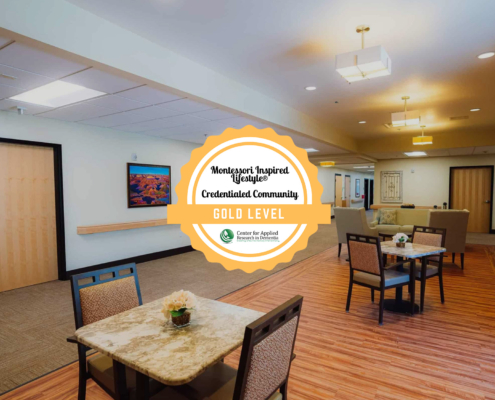 https://www.fairmontseniorliving.com/wp-content/uploads/2026/01/Farmington-Hills-Gold-Credential.jpg
1250
2000
Abstrakt Marketing
/wp-content/uploads/2025/09/Fairmont-General-Logo-Color_2000px.png
Abstrakt Marketing2026-01-16 16:33:152026-04-03 21:20:46Fairmont Senior Living of Farmington Hills Earns Prestigious Gold Credential for Montessori-Inspired Memory Care
https://www.fairmontseniorliving.com/wp-content/uploads/2026/01/Farmington-Hills-Gold-Credential.jpg
1250
2000
Abstrakt Marketing
/wp-content/uploads/2025/09/Fairmont-General-Logo-Color_2000px.png
Abstrakt Marketing2026-01-16 16:33:152026-04-03 21:20:46Fairmont Senior Living of Farmington Hills Earns Prestigious Gold Credential for Montessori-Inspired Memory Care https://www.fairmontseniorliving.com/wp-content/uploads/2025/11/Concept-of-elderly-support.jpg
1250
2000
Abstrakt Marketing
/wp-content/uploads/2025/09/Fairmont-General-Logo-Color_2000px.png
Abstrakt Marketing2025-11-03 19:44:012026-04-03 21:20:47When Is It Time to Transition to Memory Care?
https://www.fairmontseniorliving.com/wp-content/uploads/2025/11/Concept-of-elderly-support.jpg
1250
2000
Abstrakt Marketing
/wp-content/uploads/2025/09/Fairmont-General-Logo-Color_2000px.png
Abstrakt Marketing2025-11-03 19:44:012026-04-03 21:20:47When Is It Time to Transition to Memory Care? https://www.fairmontseniorliving.com/wp-content/uploads/2025/08/What-Is-Long-Distance-Caregiving-for-Seniors-A-Guide.jpg
1250
2000
Abstrakt Marketing
/wp-content/uploads/2025/09/Fairmont-General-Logo-Color_2000px.png
Abstrakt Marketing2025-08-07 12:48:522026-04-03 21:20:48What Is Long Distance Caregiving for Seniors? A Guide
https://www.fairmontseniorliving.com/wp-content/uploads/2025/08/What-Is-Long-Distance-Caregiving-for-Seniors-A-Guide.jpg
1250
2000
Abstrakt Marketing
/wp-content/uploads/2025/09/Fairmont-General-Logo-Color_2000px.png
Abstrakt Marketing2025-08-07 12:48:522026-04-03 21:20:48What Is Long Distance Caregiving for Seniors? A Guide
Fairmont Senior Living offers personalized care, engaging programs, and supportive environments designed to enhance independence, well-being, and a sense of community for every resident.