
 https://www.fairmontseniorliving.com/wp-content/uploads/2026/10/A-Guide-to-Assisted-Living-Independence.jpg
1250
2000
Abstrakt Marketing
/wp-content/uploads/2025/09/Fairmont-General-Logo-Color_2000px.png
Abstrakt Marketing2026-10-02 20:03:562026-10-02 20:04:03Montessori Isn’t Just for Memory Care: How It Supports Assisted Living Independence
https://www.fairmontseniorliving.com/wp-content/uploads/2026/10/A-Guide-to-Assisted-Living-Independence.jpg
1250
2000
Abstrakt Marketing
/wp-content/uploads/2025/09/Fairmont-General-Logo-Color_2000px.png
Abstrakt Marketing2026-10-02 20:03:562026-10-02 20:04:03Montessori Isn’t Just for Memory Care: How It Supports Assisted Living IndependenceWhether you visit a parent, grandparent, aunt, or uncle, these simple shifts can turn an awkward hour into meaningful time. This piece picks up where our do’s and don’ts of dementia communication guide left off, focused on the visit experience itself.
It’s Okay if Visits Feel Hard
Most articles on this topic skip the part everyone is actually thinking. Visits with a parent or grandparent in senior living can feel awkward, sad, or quietly draining. You leave the parking lot wondering if it mattered, and you feel guilty for feeling that way. None of that means you do not love them. It means the rules of conversation have changed, and no one taught you the new ones.
Adult children, nieces, nephews, and grandchildren are often visiting someone who looks like the person they have always known but does not always sound like them. That gap is real, and naming it makes the rest easier. Connection during these visits is a skill, not a personality trait, and anyone can get better at it.
Conversation Starters for Seniors That Actually Work
The best conversation starters for seniors lean on what is still strong: long-term memory, personal interests, and the sensory world around them. Try a few of these the next time you visit:
- Bring a photo from a specific year and ask who else was there.
- Ask about their first job, first car, or first home.
- Look out the window together and notice the weather, birds, or the season.
- Ask what their favorite meal was growing up, and who made it.
- Hand them a familiar object, like an old book or a tool from their trade.
You will notice the questions are really invitations. They give your loved one a chance to lead the conversation toward a place they remember well, which feels much better than being quizzed.
If words are not flowing, do not panic. Walk the hallway, water the plant on the windowsill, fold a small basket of laundry side by side. Companionable activity counts as connection, and in many cases it is more meaningful to your loved one than the conversation you were hoping to have.
How to Talk to a Parent with Dementia
How to talk to a parent with dementia, or really how to talk to someone with dementia at any age, is a different skill than talking with someone who is cognitively sharp. Communicating with dementia patients takes a few specific techniques, all of which are well established in clinical care. None of them require you to be an expert. They just ask you to lead with empathy and abandon the instinct to correct.
Validation Therapy: Honor the Emotion, Not the Fact
Validation therapy is the principle of responding to the feeling behind what your loved one says, even when the words do not match reality. If your mom asks when she is going home, do not argue that she lives here now. Instead, ask her about home. What did the kitchen look like? Who did she love best in the house? The emotion is real, and meeting it gently is far more comforting than correcting the facts.
Reminiscence Therapy: Travel Back in Time Together
Reminiscence therapy uses long-term memories as a bridge to present-day connection. Old photos, familiar songs, hometown stories, and family recipes all work. People with dementia often retain long-term memory longer than recent memory, which means a story from their twenties may flow more easily than what they had for lunch. Lean into that. It is not avoiding the present. It is meeting them where the memory is strongest.
Music Therapy for Dementia: When Words Are Not Enough
Music therapy for dementia is one of the most studied and most powerful tools available to families. A familiar song can reach a person who has not spoken in days. Bring a small speaker, find their wedding song or favorite hymn, and play it softly. You may see their face change, hands move, or lips quietly mouth the words. That is connection, and it does not require either of you to say a thing.
See how Fairmont’s communities create everyday moments that make visits feel meaningful.
The Montessori Connection: Meet Them Where They Are
The communication tools above share a common thread: they meet your loved one where they are instead of pulling them where you want them to be. That same idea is the heart of Montessori programming for seniors, which shapes daily life inside Fairmont’s memory care program. Activities are built around real abilities and personal interests, and staff are trained to invite, not direct. When families bring the same philosophy to their visits, the experience feels less like a duty and more like a conversation between two whole people. You do not need a credential to use this approach. You only need the willingness to follow your loved one’s lead.
Common Questions Families Ask About Visits
How often should I visit my parent in assisted living?
There is no perfect number. Shorter, more frequent visits are usually better than rare, long ones, especially in memory care. Many families find that two or three visits of about an hour each work better than one long Sunday afternoon. Quality and consistency matter more than total minutes.
What if my grandmother does not recognize me anymore?
This is one of the most painful parts of dementia for families, and it happens to almost everyone eventually. She may still feel the warmth of who you are, even if she cannot place the relationship. Introduce yourself gently and naturally, sit beside her, and let the visit be about presence rather than recognition. The connection is still there, just in a different form.
What if my aunt or uncle keeps asking to go home?
This is one of the most common worries families share with us. If your loved one refuses care or asks repeatedly to leave, that response is rarely about the community itself. It is usually about wanting comfort, familiarity, or a sense of safety. Stay calm, ask what home feels like to them, and redirect with a shared activity if possible.
Should I bring grandkids, nieces, or nephews?
Often, yes. Intergenerational visits are some of the most meaningful for residents. Keep visits short, give kids a small role like sharing a drawing or reading aloud, and let everyone take a break if energy shifts. Even very young children can light up an entire afternoon for a resident in one of our communities.
What if I run out of things to talk about?
You will, and that is fine. Sit together, walk a hallway, listen to music, or look at photos. Many of the most cherished visits include long stretches with no conversation at all. Showing up is the conversation.
A Skill Worth Building
These tools will not make every visit feel meaningful, and that is honest. Some days will still be hard. What they will do, with practice, is make better visits more possible more often, which is a quieter and more realistic kind of progress.
At Fairmont, we work alongside families to make those moments easier. Our team is happy to share what works inside our communities and to walk with you as you find your own rhythm. We would be honored to introduce you to ours.
https://www.fairmontseniorliving.com/wp-content/uploads/2026/10/A-Guide-to-Assisted-Living-Independence.jpg
1250
2000
Abstrakt Marketing
/wp-content/uploads/2025/09/Fairmont-General-Logo-Color_2000px.png
Abstrakt Marketing2026-10-02 20:03:562026-10-02 20:04:03Montessori Isn’t Just for Memory Care: How It Supports Assisted Living Independence https://www.fairmontseniorliving.com/wp-content/uploads/2026/10/Life-Enrichment-Team.jpg
1250
2000
Abstrakt Marketing
/wp-content/uploads/2025/09/Fairmont-General-Logo-Color_2000px.png
Abstrakt Marketing2026-10-02 19:33:102026-10-06 15:08:06Meet the Life Enrichment Team at Fairmont Senior Living Westlake
https://www.fairmontseniorliving.com/wp-content/uploads/2026/10/Life-Enrichment-Team.jpg
1250
2000
Abstrakt Marketing
/wp-content/uploads/2025/09/Fairmont-General-Logo-Color_2000px.png
Abstrakt Marketing2026-10-02 19:33:102026-10-06 15:08:06Meet the Life Enrichment Team at Fairmont Senior Living Westlake https://www.fairmontseniorliving.com/wp-content/uploads/2026/10/Happy-hug-and-portrait-of-a-mother-and-woman-in-a-garden-on-mothers-day.jpg
1250
2000
Abstrakt Marketing
/wp-content/uploads/2025/09/Fairmont-General-Logo-Color_2000px.png
Abstrakt Marketing2026-10-01 16:47:082026-10-01 16:47:16Respite Care for Seniors: A Short-Term Option Worth Knowing Before You Decide on Assisted Living
https://www.fairmontseniorliving.com/wp-content/uploads/2026/10/Happy-hug-and-portrait-of-a-mother-and-woman-in-a-garden-on-mothers-day.jpg
1250
2000
Abstrakt Marketing
/wp-content/uploads/2025/09/Fairmont-General-Logo-Color_2000px.png
Abstrakt Marketing2026-10-01 16:47:082026-10-01 16:47:16Respite Care for Seniors: A Short-Term Option Worth Knowing Before You Decide on Assisted Living https://www.fairmontseniorliving.com/wp-content/uploads/2026/09/after-an-argument-at-home-in-an-irritated-mood.jpg
1250
2000
Abstrakt Marketing
/wp-content/uploads/2025/09/Fairmont-General-Logo-Color_2000px.png
Abstrakt Marketing2026-09-29 18:42:372026-09-29 18:42:44Working Through Elder Care Sibling Tensions to Move Forward Together
https://www.fairmontseniorliving.com/wp-content/uploads/2026/09/after-an-argument-at-home-in-an-irritated-mood.jpg
1250
2000
Abstrakt Marketing
/wp-content/uploads/2025/09/Fairmont-General-Logo-Color_2000px.png
Abstrakt Marketing2026-09-29 18:42:372026-09-29 18:42:44Working Through Elder Care Sibling Tensions to Move Forward Together https://www.fairmontseniorliving.com/wp-content/uploads/2026/08/AdobeStock_271211175-scaled.jpeg
1707
2560
Abstrakt Marketing
/wp-content/uploads/2025/09/Fairmont-General-Logo-Color_2000px.png
Abstrakt Marketing2026-09-10 09:36:002026-08-27 20:37:22What Are My Parent’s Post-Hospital Care Options?
https://www.fairmontseniorliving.com/wp-content/uploads/2026/08/AdobeStock_271211175-scaled.jpeg
1707
2560
Abstrakt Marketing
/wp-content/uploads/2025/09/Fairmont-General-Logo-Color_2000px.png
Abstrakt Marketing2026-09-10 09:36:002026-08-27 20:37:22What Are My Parent’s Post-Hospital Care Options? https://www.fairmontseniorliving.com/wp-content/uploads/2026/08/Sandwich-generation-with-kids-at-home-and-taking-care-of-aging-parents.jpg
1250
2000
Abstrakt Marketing
/wp-content/uploads/2025/09/Fairmont-General-Logo-Color_2000px.png
Abstrakt Marketing2026-09-08 20:13:002026-08-27 20:14:50The Sandwich Generation: How to Support an Aging Parent Without Losing Yourself
https://www.fairmontseniorliving.com/wp-content/uploads/2026/08/Sandwich-generation-with-kids-at-home-and-taking-care-of-aging-parents.jpg
1250
2000
Abstrakt Marketing
/wp-content/uploads/2025/09/Fairmont-General-Logo-Color_2000px.png
Abstrakt Marketing2026-09-08 20:13:002026-08-27 20:14:50The Sandwich Generation: How to Support an Aging Parent Without Losing Yourself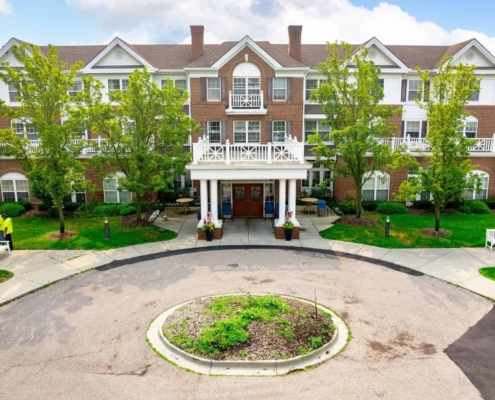 https://www.fairmontseniorliving.com/wp-content/uploads/2026/08/imgi_93_Fairmont-Northville-Website-Photo-3.jpg
1250
2000
Abstrakt Marketing
/wp-content/uploads/2025/09/Fairmont-General-Logo-Color_2000px.png
Abstrakt Marketing2026-09-04 21:37:002026-10-14 20:08:42Moments: A Day in the Life at Fairmont Senior Living of Northville
https://www.fairmontseniorliving.com/wp-content/uploads/2026/08/imgi_93_Fairmont-Northville-Website-Photo-3.jpg
1250
2000
Abstrakt Marketing
/wp-content/uploads/2025/09/Fairmont-General-Logo-Color_2000px.png
Abstrakt Marketing2026-09-04 21:37:002026-10-14 20:08:42Moments: A Day in the Life at Fairmont Senior Living of Northville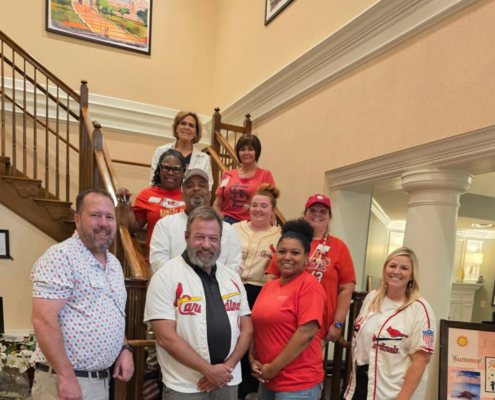 https://www.fairmontseniorliving.com/wp-content/uploads/2026/08/Clayton-Team-Photo.jpg
1250
2000
Abstrakt Marketing
/wp-content/uploads/2025/09/Fairmont-General-Logo-Color_2000px.png
Abstrakt Marketing2026-08-27 19:09:122026-08-27 19:09:18Moments: A Day in the Life at Fairmont Senior Living on Clayton
https://www.fairmontseniorliving.com/wp-content/uploads/2026/08/Clayton-Team-Photo.jpg
1250
2000
Abstrakt Marketing
/wp-content/uploads/2025/09/Fairmont-General-Logo-Color_2000px.png
Abstrakt Marketing2026-08-27 19:09:122026-08-27 19:09:18Moments: A Day in the Life at Fairmont Senior Living on Clayton https://www.fairmontseniorliving.com/wp-content/uploads/2026/07/Support-of-the-elderly.jpg
1250
2000
Abstrakt Marketing
/wp-content/uploads/2025/09/Fairmont-General-Logo-Color_2000px.png
Abstrakt Marketing2026-07-10 13:34:142026-09-15 19:06:00The Longest Day: Montessori for Alzheimer’s Care
https://www.fairmontseniorliving.com/wp-content/uploads/2026/07/Support-of-the-elderly.jpg
1250
2000
Abstrakt Marketing
/wp-content/uploads/2025/09/Fairmont-General-Logo-Color_2000px.png
Abstrakt Marketing2026-07-10 13:34:142026-09-15 19:06:00The Longest Day: Montessori for Alzheimer’s Care
Fairmont Senior Living offers personalized care, engaging programs, and supportive environments designed to enhance independence, well-being, and a sense of community for every resident.