
 https://www.fairmontseniorliving.com/wp-content/uploads/2026/02/Nurse-helping-senior-woman-to-walk-at-private-clinic.jpg
1250
2000
Abstrakt Marketing
/wp-content/uploads/2025/09/Fairmont-General-Logo-Color_2000px.png
Abstrakt Marketing2026-02-17 15:36:582026-03-02 21:19:41How Assisted Living Reduces Caregiver Burnout and Rebuilds Balance
https://www.fairmontseniorliving.com/wp-content/uploads/2026/02/Nurse-helping-senior-woman-to-walk-at-private-clinic.jpg
1250
2000
Abstrakt Marketing
/wp-content/uploads/2025/09/Fairmont-General-Logo-Color_2000px.png
Abstrakt Marketing2026-02-17 15:36:582026-03-02 21:19:41How Assisted Living Reduces Caregiver Burnout and Rebuilds BalanceThis guide offers compassionate, practical insights for adult children navigating the complex journey of grief alongside their parent. Whether your loved one wants to remain independent or needs more day-to-day support, your role can make a meaningful difference in helping them find peace, connection, and purpose again.
Recognizing Grief: It Looks Different for Everyone
Grief isn’t linear. Your parent may cycle through sadness, anger, confusion, or even emotional numbness. While some want to talk openly about their loss, others may withdraw. There’s no “right” way to grieve.
If you’re wondering how to help a grieving parent, the first step is simply recognizing what grief looks like and how it changes over time. Be patient if your parent isn’t ready to talk or express themselves. Being present and available often speaks louder than words.
Common Emotional Responses You Might See
- Withdrawal from activities or loved ones
- Trouble sleeping or changes in appetite
- Mood swings or sudden emotional outbursts
- Increased forgetfulness or confusion
- Replaying memories of their spouse repeatedly
These responses are natural and valid. But when grief begins to interfere with daily life for extended periods, it may be time to consider additional support.
What to Do If a Parent Dies: Supporting the Surviving Spouse
Whether your surviving parent is living independently or in close proximity to you, the weeks and months following the loss can be especially fragile. They may feel disoriented, lonely, or unsure how to manage the household alone.
Offer Stability First
Help them with logistics like:
- Managing the deceased spouse’s belongings
- Navigating financial paperwork
- Keeping up with meals, medication, and errands
Providing structure in this way helps prevent your parent from becoming overwhelmed.
Encourage Healthy Habits
Without a partner, routines can fall apart quickly. Encourage your parent to maintain daily rhythms like getting dressed, eating regular meals, taking walks. These small steps support emotional healing and restore a sense of control.
Emotional Check-Ins: Knowing When Your Parent Needs More Help
It’s not uncommon for seniors to hide the depth of their grief to avoid “burdening” their children. That’s why it’s important to check in regularly, not just with small talk, but by asking meaningful, open-ended questions:
- How are you really feeling today?
- What’s been the hardest part lately?
- What do you need more help with right now?
If your parent seems consistently withdrawn, forgetful, or disconnected, it could be a sign that grief is becoming complicated. In these cases, a therapist or grief counselor who specializes in elder care can help.
When It’s Hard to Talk About It
Some parents avoid grief discussions altogether. If your loved one shuts down when you bring up their loss, try these strategies:
- Share your own memories or emotions to open the door gently.
- Ask reflective questions about their spouse (“What’s your favorite memory with Mom?”)
- Focus on the present, such as “What can I do today to make things easier for you?”
Avoid pushing. Sometimes grief needs time before it finds words.
Introducing Support Without Pressure
When someone is grieving deeply, the thought of change, especially something as significant as a move, can feel overwhelming. But in some cases, the loss of a spouse brings to light just how isolating or difficult daily life has become.
If your parent is struggling to manage on their own, it might be time to explore senior living options after loss—but with compassion, not pressure.
Framing the Conversation
Instead of saying:
- “You can’t live alone anymore.”
Try:
- “I’ve been wondering how you’ve been feeling in the evenings lately. Do you ever feel lonely?”
Or:
- “Would it help to have people nearby who can check in or share meals with you?”
You’re not suggesting they’re incapable—you’re offering companionship, peace of mind, and new connections.
How Senior Living Communities Support Grieving Seniors
Moving into a senior living community after losing a spouse can actually ease the burden of grief. While it doesn’t erase the pain, it offers stability, safety, and gentle reintroduction to social life on their own terms.
Benefits of Senior Living After Loss
- Emotional Support: Some communities provide access to grief counselors, chaplains, or support groups.
- Built-In Companionship: Mealtimes, events, and casual hallway chats offer opportunities to connect.
- Freedom Without Burden: Without worrying about housekeeping, transportation, or cooking, seniors can focus on healing and joy.
- Purposeful Engagement: Activities are designed for both enjoyment and emotional stimulation, from music therapy to storytelling groups.
Each resident is encouraged to participate as little or as much as they want—there’s no pressure to “bounce back.” It’s about helping them rediscover meaning, at their own pace.
Learn about the importance of the brain-body connection in seniors and how you can strengthen it in your loved ones.
Navigating the Practical Questions After Loss
You may be wondering about the logistics:
- What happens to my parent’s home if they move?
Many families choose to sell, rent, or manage the home together. Financial planners or eldercare attorneys can help navigate this.
- What if they have pets?
Some senior living communities are pet-friendly. If not, relatives may help foster or rehome pets compassionately.
- Will they feel like they’re giving up their independence?
Actually, most residents find they gain more independence by letting go of the burdens that weighed them down after loss.
Maintaining Identity, Hobbies, and Joy
One of the hardest parts about losing a spouse is figuring out who you are without them. Your parent may struggle with this question: “Who am I now?”
The goal isn’t to “move on” but to rediscover who they’ve always been through hobbies, friendships, and purpose-driven activity. Help your parent return to things they loved, or gently introduce new experiences like:
- Art classes
- Gardening groups
- Book clubs
- Memory cafes
- Intergenerational programs
These activities encourage interactive engagement for the elderly, offering new layers of meaning that enrich their day-to-day life.
You’re Not Alone Either
Grief doesn’t only affect your parent—it affects you, too. Watching someone you love struggle with sadness, isolation, or fear can take a deep emotional toll. Don’t overlook your own well-being.
Consider joining a caregiver support group, talking with a therapist, or leaning on other family members for shared responsibilities. You don’t have to carry it all on your own.
Closing Thoughts: Healing Doesn’t Mean Forgetting
Helping a grieving parent is a tender, complicated journey, but it’s one you don’t have to navigate alone. Through presence, empathy, and honest conversations, you can support your loved one in embracing this next chapter with dignity.
Senior living options after loss can bring comfort, not as a replacement for the past, but as a foundation for a future filled with support, purpose, and companionship.
Consider Fairmont for Supportive Senior Living
If your parent is grieving and needs gentle support, Fairmont Senior Living is here to help. We understand the delicate nature of this life stage and offer communities where healing happens naturally through connection, care, and respect.
Contact us today to learn more about our approach or schedule a tour to see how Fairmont could support your loved one’s journey forward.
https://www.fairmontseniorliving.com/wp-content/uploads/2026/02/Nurse-helping-senior-woman-to-walk-at-private-clinic.jpg
1250
2000
Abstrakt Marketing
/wp-content/uploads/2025/09/Fairmont-General-Logo-Color_2000px.png
Abstrakt Marketing2026-02-17 15:36:582026-03-02 21:19:41How Assisted Living Reduces Caregiver Burnout and Rebuilds Balance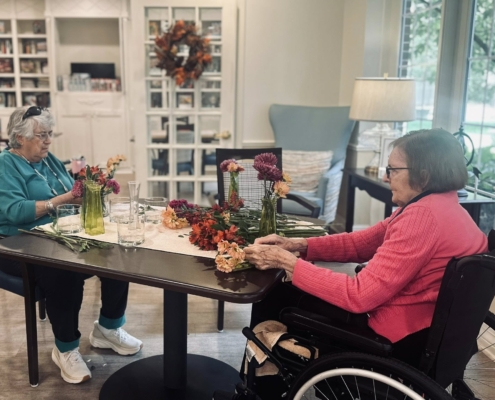 https://www.fairmontseniorliving.com/wp-content/uploads/2025/10/Fairmont-Washington-Township-community-photo.jpg
1460
2048
Abstrakt Marketing
/wp-content/uploads/2025/09/Fairmont-General-Logo-Color_2000px.png
Abstrakt Marketing2026-02-02 15:01:332026-03-02 21:19:41December at Fairmont Senior Living of Washington Township
https://www.fairmontseniorliving.com/wp-content/uploads/2025/10/Fairmont-Washington-Township-community-photo.jpg
1460
2048
Abstrakt Marketing
/wp-content/uploads/2025/09/Fairmont-General-Logo-Color_2000px.png
Abstrakt Marketing2026-02-02 15:01:332026-03-02 21:19:41December at Fairmont Senior Living of Washington Township https://www.fairmontseniorliving.com/wp-content/uploads/2026/02/Elderly-person-sitting-at-window-looking-at-snow.jpg
1250
2000
Abstrakt Marketing
/wp-content/uploads/2025/09/Fairmont-General-Logo-Color_2000px.png
Abstrakt Marketing2026-02-02 14:36:152026-03-02 21:19:41Winter Wellness for Seniors: How Assisted Living Communities Keep Seniors Safe
https://www.fairmontseniorliving.com/wp-content/uploads/2026/02/Elderly-person-sitting-at-window-looking-at-snow.jpg
1250
2000
Abstrakt Marketing
/wp-content/uploads/2025/09/Fairmont-General-Logo-Color_2000px.png
Abstrakt Marketing2026-02-02 14:36:152026-03-02 21:19:41Winter Wellness for Seniors: How Assisted Living Communities Keep Seniors Safe https://www.fairmontseniorliving.com/wp-content/uploads/2026/01/Autumn-branches-of-elder-create-square-frame-for-text-on-white.jpg
1250
2000
Abstrakt Marketing
/wp-content/uploads/2025/09/Fairmont-General-Logo-Color_2000px.png
Abstrakt Marketing2026-01-21 14:51:382026-03-02 21:19:41How the Fairmont Communities Gave Thanks
https://www.fairmontseniorliving.com/wp-content/uploads/2026/01/Autumn-branches-of-elder-create-square-frame-for-text-on-white.jpg
1250
2000
Abstrakt Marketing
/wp-content/uploads/2025/09/Fairmont-General-Logo-Color_2000px.png
Abstrakt Marketing2026-01-21 14:51:382026-03-02 21:19:41How the Fairmont Communities Gave Thanks https://www.fairmontseniorliving.com/wp-content/uploads/2026/01/Staying-Connected-With-Loved-Ones-Long-Distance-After-the-Holidays.jpg
1250
2000
Abstrakt Marketing
/wp-content/uploads/2025/09/Fairmont-General-Logo-Color_2000px.png
Abstrakt Marketing2026-01-16 16:53:162026-03-02 21:19:41Staying Connected With Loved Ones Long-Distance After the Holidays
https://www.fairmontseniorliving.com/wp-content/uploads/2026/01/Staying-Connected-With-Loved-Ones-Long-Distance-After-the-Holidays.jpg
1250
2000
Abstrakt Marketing
/wp-content/uploads/2025/09/Fairmont-General-Logo-Color_2000px.png
Abstrakt Marketing2026-01-16 16:53:162026-03-02 21:19:41Staying Connected With Loved Ones Long-Distance After the Holidays https://www.fairmontseniorliving.com/wp-content/uploads/2025/10/Clayton-Community-Guitar-Players.jpg
1250
2000
Abstrakt Marketing
/wp-content/uploads/2025/09/Fairmont-General-Logo-Color_2000px.png
Abstrakt Marketing2026-01-16 16:45:462026-03-02 21:19:41Indoor Winter Wellness Activities for Seniors
https://www.fairmontseniorliving.com/wp-content/uploads/2025/10/Clayton-Community-Guitar-Players.jpg
1250
2000
Abstrakt Marketing
/wp-content/uploads/2025/09/Fairmont-General-Logo-Color_2000px.png
Abstrakt Marketing2026-01-16 16:45:462026-03-02 21:19:41Indoor Winter Wellness Activities for Seniors https://www.fairmontseniorliving.com/wp-content/uploads/2025/11/A-Guide-to-Grief-Support-for-Seniors.jpg
904
2000
Abstrakt Marketing
/wp-content/uploads/2025/09/Fairmont-General-Logo-Color_2000px.png
Abstrakt Marketing2025-11-07 21:21:242026-03-02 21:19:41Creating Moments of Joy While Grieving: Small Steps Toward Healing
https://www.fairmontseniorliving.com/wp-content/uploads/2025/11/A-Guide-to-Grief-Support-for-Seniors.jpg
904
2000
Abstrakt Marketing
/wp-content/uploads/2025/09/Fairmont-General-Logo-Color_2000px.png
Abstrakt Marketing2025-11-07 21:21:242026-03-02 21:19:41Creating Moments of Joy While Grieving: Small Steps Toward Healing https://www.fairmontseniorliving.com/wp-content/uploads/2025/11/A-senior-woman-in-wheelchair-with-a-health-visitor-at-home-at-Christmas-time.jpg
1250
2000
Abstrakt Marketing
/wp-content/uploads/2025/09/Fairmont-General-Logo-Color_2000px.png
Abstrakt Marketing2025-11-07 13:43:452026-03-02 21:19:41How Seniors Can Find Comfort and Meaning While Coping With Holiday Grief
https://www.fairmontseniorliving.com/wp-content/uploads/2025/11/A-senior-woman-in-wheelchair-with-a-health-visitor-at-home-at-Christmas-time.jpg
1250
2000
Abstrakt Marketing
/wp-content/uploads/2025/09/Fairmont-General-Logo-Color_2000px.png
Abstrakt Marketing2025-11-07 13:43:452026-03-02 21:19:41How Seniors Can Find Comfort and Meaning While Coping With Holiday Grief https://www.fairmontseniorliving.com/wp-content/uploads/2025/09/How-to-Help-a-Grieving-Parent-Find-Joy-Again-After-Losing-Their-Spouse.jpg
1250
2000
Abstrakt Marketing
/wp-content/uploads/2025/09/Fairmont-General-Logo-Color_2000px.png
Abstrakt Marketing2025-09-11 18:37:182026-03-02 21:19:42How to Help a Grieving Parent Find Joy Again After Losing Their Spouse
https://www.fairmontseniorliving.com/wp-content/uploads/2025/09/How-to-Help-a-Grieving-Parent-Find-Joy-Again-After-Losing-Their-Spouse.jpg
1250
2000
Abstrakt Marketing
/wp-content/uploads/2025/09/Fairmont-General-Logo-Color_2000px.png
Abstrakt Marketing2025-09-11 18:37:182026-03-02 21:19:42How to Help a Grieving Parent Find Joy Again After Losing Their Spouse
Fairmont Senior Living offers personalized care, engaging programs, and supportive environments designed to enhance independence, well-being, and a sense of community for every resident.